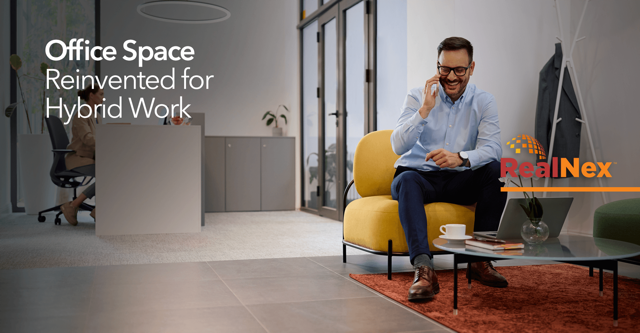
The way we work today looks drastically different from the way it did even 10 years ago. As a result, so do today’s physical workplaces. As hybrid work models continue to become the new normal for many workers, the traditional office is being reimagined to meet changing expectations and realities. Today, companies are no longer looking for just a place for their employees to work; they’re seeking environments that help foster collaboration and well-being.
For commercial property owners and developers, this shift represents both a challenge and an opportunity. The key to success is in designing and building office spaces that align with the needs of a rapidly changing workforce, where flexibility and connection are the priority.
The Case for Flexibility and Collaboration
As we mentioned, flexibility is essential in today’s era of hybrid work. Modern offices should be thought of as an adaptable ecosystem rather than just a simple static layout. Instead of rows of desks, we’re seeing modular spaces that can shift between focus zones, collaboration areas, and meeting lounges depending on the day’s needs.
Hot-desking, moveable partitions, and multi-use furniture are becoming standard features. These designs not only accommodate a rotating workforce but also optimize square footage, an important consideration as many companies reduce their physical footprints.
For commercial brokers, promoting spaces with built-in adaptability can be a powerful differentiator. Showing how a property can evolve and grow with tenants’ needs can make it more appealing to companies navigating long-term hybrid strategies, helping it to stand out from the competition.
Wellness and the Human Experience
Today’s employees want more than just a desk; they want a work environment that helps support their health and well-being. Building design now prioritizes natural light, indoor air quality, and biophilic elements like greenery and natural materials.
Amenities that once were seen as optional, such as fitness centers, meditation rooms, and outdoor work areas, are now seen as essential. According to JLL’s 2024 Future of Work report, 73% of companies plan to increase investment in health and wellness-related amenities to attract and retain talent.
For property owners, investing in wellness features can increase both occupancy and tenant satisfaction. For brokers, highlighting these amenities in marketing materials and tours can help position properties as forward-thinking and employee-centric.
Smart Technology Integration
Technology has become the center of the hybrid office. Smart building systems now automate features such as lighting, climate control, and occupancy management to enhance comfort and efficiency. Touchless entry, digital booking systems, and AI-driven energy monitoring are helping companies manage flexible work arrangements while maintaining productivity and sustainability.
Internet connectivity is also more critical than ever. Tenants expect robust, secure, high-speed internet that supports video conferencing and cloud-based operations seamlessly. Properties equipped with integrated tech systems and reliable connectivity are commanding higher demand—and higher value.
Positioning Properties for the Hybrid Era
Brokers and property owners can take several steps to ensure their assets appeal to hybrid-minded tenants:
- Highlight adaptability: Showcase flexible floor plans and design options that allow tenants to quickly and easily reconfigure space.
- Focus on wellness: Market the building’s health-forward features, such as air quality systems, natural light, green spaces, and other wellness amenities.
- Promote tech readiness: Make sure buildings offer strong connectivity and smart infrastructure to help support heavy hybrid workflows.
- Offer flexible terms: Today’s tenants are looking for shorter leases, shared spaces, and scalable solutions that minimize long-term commitments.
Properties that closely align with these expectations will stand out in a highly competitive market, where tenants can be more selective about how and where they work.
The Future of the Office
The hybrid office isn’t simply a temporary trend; rather, it’s the foundation of the workplace design of the future. As the definition of “office” continues to evolve, the physical workplace must evolve with it.
RealNex is a CRM tool that can be used by commercial real estate professionals to work more efficiently and improve their productivity. At RealNex, we offer an incredibly powerful, yet amazingly simple, end-to-end solution. To learn more about RealNex and see samples of the products that we offer, visit our website. When you are ready to experience the RealNex difference for yourself, schedule a demo or contact us today — we’d love to talk with you!